A sponsor no longer wants its logo parked beside a stage and a post-event report full of vague impressions. The event sponsorship trends 2026 point to a higher standard: partnerships that create a memorable attendee moment, generate usable first-party data, and prove a commercial return without diluting the event’s identity.
For producers, this is not a reason to make sponsorship more complicated. It is a reason to build it into the event brand from the beginning. The events earning stronger sponsor revenue are not selling inventory. They are offering a clear role in an experience people actively want to attend, share, and return to.
Event Sponsorship Trends 2026 Are Raising the Bar
The sponsorship market is moving away from passive visibility and toward participation. Brands still value reach, but reach alone is easier to buy elsewhere. Social ads, creator partnerships, and connected TV can all produce impressions at scale. A live event has to deliver what those channels cannot: proximity, emotion, trust, and a real-world exchange between a brand and a defined audience.
That shift changes the conversation in the sales deck. Instead of leading with banner dimensions, attendee counts, and generic logo placements, producers need to articulate the audience’s motivations, the event’s cultural or commercial relevance, and the moments where a sponsor can add genuine value.
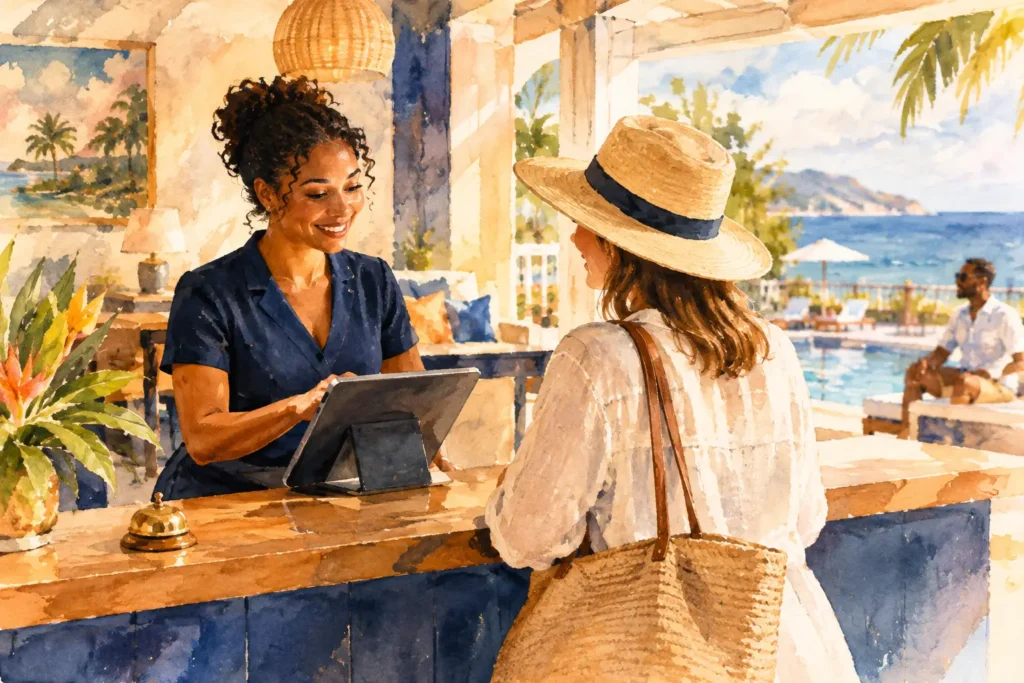
A wellness festival, for example, can offer more than a hydration sponsor. It can give a brand ownership of recovery, ritual, or personalized education. A boutique hospitality event can give a travel partner a meaningful role in the guest journey, from arrival through the next-booking conversation. The strongest concepts feel native because the sponsor solves a real attendee need.
Experience is becoming the sponsorship product
The best sponsor activations in 2026 will feel less like brand booths and more like useful, shareable chapters of the event. That may mean a premium lounge with a real purpose, a hands-on workshop, a concierge-style service, a limited-access dinner, or a piece of programming that gives attendees access they could not get on their own.
The trade-off is clear. High-quality experiences cost more to design and produce than signage. They also require tighter operational coordination, from staffing and queue management to weather plans and content capture. But a well-built activation creates a stronger case for premium pricing because it can generate dwell time, qualified leads, social content, sentiment, and repeat participation.
Producers should protect the attendee experience here. An activation that interrupts flow, creates long lines, or feels disconnected from the event’s promise will underperform, even if the sponsor’s branding is everywhere. Sponsor value and attendee value should rise together.
First-Party Data Will Shape Better Deals
Event organizers have long relied on broad attendance figures and estimated media reach. Those metrics still matter, especially for sponsors seeking awareness. But more sophisticated buyers are asking what happened after the interaction: Who opted in? What content did they engage with? Did they return, purchase, book a meeting, or take a next step?
This is where event teams need a disciplined data strategy. Registration data, ticketing behavior, app engagement, session attendance, QR scans, surveys, onsite purchases, and post-event activity can all help tell a more credible performance story. The goal is not to collect every possible data point. It is to identify the information that connects sponsor objectives to attendee consent and event outcomes.
Data access needs to earn trust
Privacy is not a footnote. Attendees increasingly understand the value of their information and expect clarity about how it will be used. The strongest sponsorship programs make consent explicit, explain the benefit of opting in, and avoid treating personal data as an automatic sponsor entitlement.
A sponsor may not need a raw attendee list to prove success. In many cases, anonymized audience insights, campaign performance, lead volume, qualified conversations, redemption rates, and survey results are more useful and more responsible. If a sponsor needs direct leads, build a transparent opt-in journey around a valuable exchange such as a consultation, product trial, exclusive content, or event-only offer.
This approach protects brand trust while making the partnership more measurable. It also gives producers a stronger long-term asset: an audience relationship that does not disappear when the event ends.
Smaller, Better-Fit Partnerships Will Compete With Big Names
A household-name sponsor can bring credibility and budget, but it is not automatically the best fit. In 2026, many event teams will find more value in a portfolio of partners whose products, audiences, and ambitions align tightly with the event’s positioning.
This is particularly relevant for niche festivals, destination events, industry conferences, and premium hospitality experiences. A specialized travel company, regional financial institution, wellness provider, technology platform, or luxury goods brand may have more to gain from a precisely defined audience than a national advertiser chasing mass exposure. That can make the partnership more collaborative, more creative, and more likely to renew.
The risk is fragmentation. Too many small sponsors can create a cluttered event environment and burden a lean production team with endless approvals. A smart tiering model prevents that. Limit the number of partners in each category, reserve a small number of high-impact ownership opportunities, and establish clear rules around brand presence before sales begin.
Year-Round Value Will Matter More Than Event-Day Exposure
The event may last one day or one weekend, but the audience relationship can extend across the full calendar. Sponsors are increasingly interested in programs that include pre-event content, registration touchpoints, hosted experiences, onsite activations, post-event storytelling, and community engagement between editions.
This does not mean every event needs to become a full-time media company. It means producers should identify the moments they already own. A seasonal announcement, a speaker reveal, a venue story, a ticket-holder guide, a local partnership, or a post-event recap can all create useful sponsor integration when the fit is credible.
The commercial benefit is substantial. A year-round program gives sponsors more than one chance to perform, while giving organizers a steadier revenue conversation instead of a last-minute scramble for event-day dollars. It also makes renewal easier because the partnership can evolve rather than start from zero each year.
Brand Alignment Will Become a Non-Negotiable
As audiences become more selective about where they spend time and money, they are also more alert to sponsorships that feel opportunistic. Values matter, but the practical test is simpler: does this brand belong here, and does its presence improve the experience?
Producers should evaluate prospective sponsors against the event’s core promise, audience expectations, and long-term reputation. A high-paying partnership can create short-term revenue while weakening the brand equity that attracts attendees, talent, and future partners. That is an expensive trade when an event is trying to build pricing power and loyalty.
This is especially true for events connected to a destination or hotel. The sponsor roster becomes part of the guest perception of quality. Every partner signals something about the caliber, point of view, and values of the experience. Premium events should be selective enough that a sponsor logo communicates trust, not clutter.
Build packages around business outcomes
A stronger sponsorship proposal starts with the sponsor’s objective. Is it launching a product, driving trial, generating leads, reaching a new market, supporting recruitment, strengthening local relationships, or associating with a distinct lifestyle? The answer should shape the package.
Then define a small set of performance indicators before contracts are signed. Awareness may call for reach, content engagement, and attendee recall. A lead-generation partner may care about qualified opt-ins, meetings booked, and follow-up conversion. A hospitality or destination partner may prioritize booking inquiries, package redemptions, and visitor intent.
Do not promise precision the event cannot deliver. Instead, explain the measurement method, baseline assumptions, reporting timeline, and what the sponsor will receive. Confidence comes from clarity, not inflated projections.
Make Sponsorship Part of the Event Brand System
The most valuable sponsorship programs are designed upstream, alongside the event’s positioning, programming, guest journey, and marketing plan. When sponsorship is treated as an add-on, teams are left selling whatever space remains. When it is treated as part of the brand system, sponsors can support the moments that make the event worth attending in the first place.
That is the opportunity behind 2026’s sponsorship shift. Build an event with a clear point of view, design sponsor roles that enhance rather than interrupt it, and measure what matters to both partners. The result is not just more sponsor revenue. It is a stronger experience with more reasons for people to choose it again.